Raw Sewage Cleanup
Raw sewage cleanup treats Category 3 black water and includes both drying and disinfection.
See raw sewage cleanupGet sewage, wet insulation, contaminated debris, moisture and odor removed from the crawl space beneath your home in Baltimore Highlands. The source should be stopped before cleanup begins.
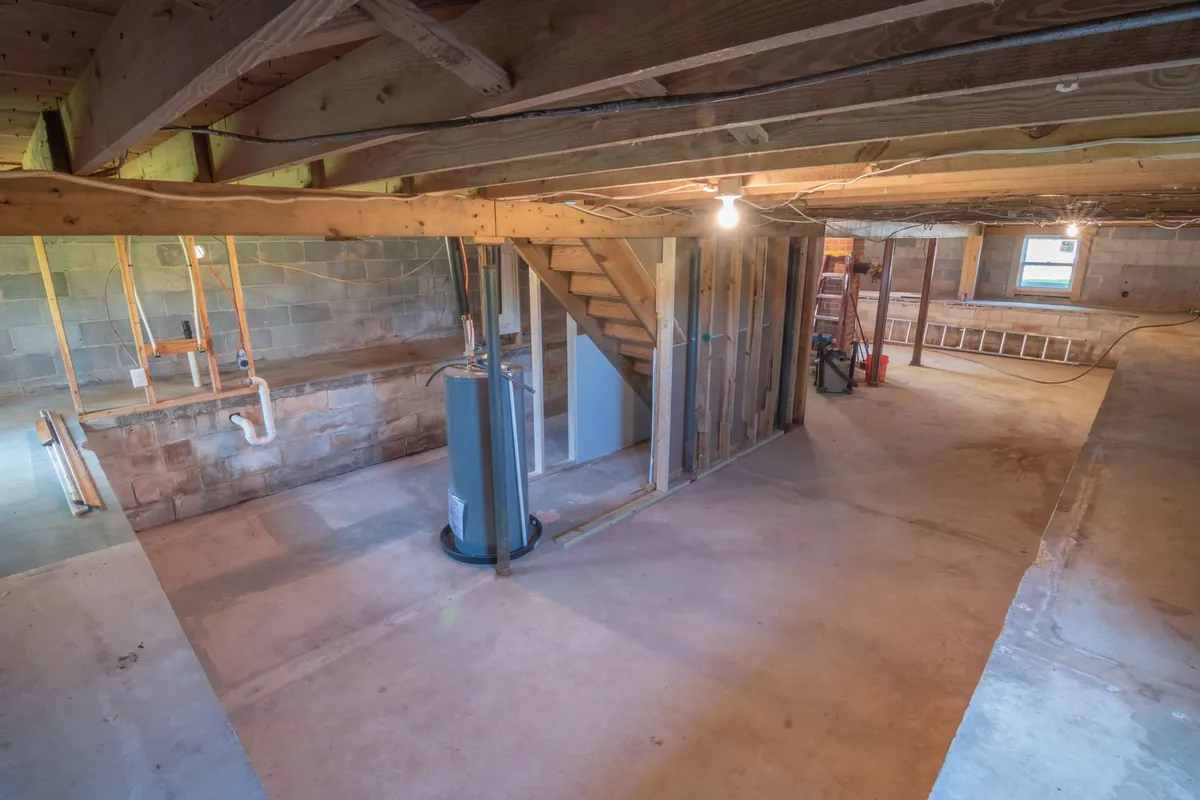
Crawl space sewage cleanup means clearing solid waste, polluted materials and Category 3 black water from the space under a home. Cleaning and disinfection follow, along with dampness control and odor treatment.
The work begins after the flow has stopped. A plumber may need to repair a broken drain, leaking sewer line or failed ejector pump. If a public sewer problem is suspected, your utility may need to inspect it. Cleanup technicians then find the edges of the affected area, check nearby supports and utilities, and plan safe access through the crawl space.
Bare ground, vapor barriers, wood framing, fiberglass insulation, pipes and duct surfaces may all be reached by crawl space sewage. Any standing wastewater is extracted, and materials that cannot be cleaned fully are taken away. Sound hard surfaces receive cleaning and an EPA-registered disinfectant, which stays for the entire label contact time. Drying and air quality measures come next, ahead of repair work.
You get an explanation of every step, the materials being cleaned or taken out, the areas being dried and the factors behind pricing.
Photos, moisture notes, the cleanup scope and disposal records help you discuss the loss with insurance companies and property owners.
Controls along the access route and work area keep tools, hoses and bagged materials from carrying sewage through your home.
Calls receive answers around the clock, while technicians come in unmarked vehicles to limit attention at your property.
Professional cleanup makes sense after sewage gets into a crawl space or saturates material beneath the rooms where you live. Typical situations include:
Wastewater can escape from a split or disconnected drain onto insulation, ground, plastic barriers and surrounding supports.
When wastewater reaches gravel or loose earth, treating only the surface cannot clear the affected material below.
Category 3 water can enter the lowest space under your home when the main line clogs or the system becomes overloaded. After stopping the source, you may still need professional cleanup services.
An odor entering through ducts, openings around pipes or other gaps may point to sewage remaining beneath your home. Standard cleaning services cannot resolve sewage concealed beneath your house.
Protect everyone first, then prevent more wastewater from entering. While waiting for cleanup technicians:
Call (888) 440-9227A range specifically for crawl spaces is absent from published pricing guides. The nearest published comparisons are for sewage backups and Category 3 cleanup, where related jobs range from $1,500 to $10,000. That range is only a comparison, not a quote for your crawl space. Your actual price is assessed from access height, the affected area, saturated insulation, polluted soil, drying needs and repair work.
Published national cost guides are the source for these ranges, rather than an inspection of your property. The price for your property is set after the on-site assessment, and you hear it before work starts.
Ask about cost: (888) 440-9227Whether insurance applies depends on what caused the damage and how your policy is written. A drain or sewer backup endorsement could apply, but groundwater, flooding and maintenance issues may be excluded.
The owner of the property may have to pay for a loss without coverage. Learn what cleanup includes, what affects cost and how payment works, then confirm whether separate restoration services are necessary after the space dries.
A building policy and a renter's policy cover different property. The cause, rental agreement and local requirements may determine responsibility.
Collect the cleanup scope, removal records, receipts, plumbing conclusions and photographs for your insurance company.
Check if your policy covers sewer or drain backups, the deductible you must pay and whether it includes cleanup plus damaged materials.
The cleanup process follows a controlled order so waste does not spread into clean areas. Every situation differs, but the remediation process usually includes these steps:
Technicians inspect from safe access points, identify the affected areas, note utilities and photograph conditions before work starts. Every situation needs its own scope based on where the sewage traveled.
The cleanup involves protecting access surfaces, containing the work space and selecting protective gear for Category 3 material.
Standing liquid and solid waste are removed with equipment intended for contaminated water and hazardous materials.
Crews bag uncleanable absorbent material, including damp insulation, compromised vapor barriers and cardboard, for proper waste disposal.
After addressing impacted soil and debris, technicians wash remaining residue from cleanable materials such as pipes and framing.
Workers treat cleanable materials with an EPA-registered disinfectant, allowing the label-specified contact time while the surface remains wet.
Moisture decreases through dehumidification and controlled air movement. Odor treatment begins only after sewage and contaminated materials are gone.
A final check looks for leftover waste, noticeable dampness and smells. You also get documentation to move forward with insurance discussions or repair planning.
Call any hour. A specialist in crawl space sewage cleanup takes your call, explains each step and agrees on a start time with you.
Raw sewage is classified as Category 3 black water. Touching it directly or carrying it into the home on shoes and objects may expose you to dangerous microorganisms and other contaminants.
Wastewater may carry viruses, bacteria and parasites. Serious health risks come from these contaminants, while entering a poorly lit tight area exposes you to slipping, splashing and sharp debris.
Wet insulation, cardboard, damaged vapor barriers and loose debris can hold sewage, including waste mixed with bodily fluids. If they stay in place, smells and contamination may continue.
According to the EPA, wet materials can begin growing mold within 24 to 48 hours. Moisture control and thorough drying remain necessary after sewage is gone.
Can you clean it yourself? Avoid trying to remove untreated sewage yourself inside a confined crawl space. The combination of Category 3 water, limited access, hidden utilities and contaminated porous materials calls for professional cleanup and the right protective equipment. A plumber repairs the source, while cleanup technicians address what was left behind.
Cleanable, structurally sound materials may stay after soil and residue are removed. Porous items that absorbed sewage are generally taken out.
A small, accessible spill may take one to two days of cleanup and drying. A larger sewage backup with wet insulation, soil work or difficult access can take several days, and plumbing or structural repairs add separate time.
| Scene | Typical time on site |
|---|---|
| Small accessible area with limited removal | Often one to two days |
| Wider area with insulation and vapor barrier removal | Often two to four days |
| Extensive sewage, affected soil or prolonged drying | Several days, with moisture levels determining progress |
The first step in removing odor is taking away the sewage, remaining residue and absorbent materials it affected. Neither fragrance nor surface spraying can solve contamination left among debris, within soil, in wet insulation or behind damaged duct liner. Only after removing the source should deodorizing start.
Controlled air movement paired with dehumidification dries the area following cleaning. HEPA air scrubbers can assist with airborne particle control while the work is underway. Technicians inspect ducts, openings and rooms nearby to make sure odor is not migrating into occupied space. Odor that remains calls for renewed checks for moisture and its source, rather than more perfume.
The full crawl space sewage cleanup guide covers what is cleaned or removed, odor and air quality work, and the rules that apply in Maryland and Baltimore City.
Read the full crawl space sewage cleanup guideContainment, entry and cleanup plans can be influenced by local housing, population and access details.
Knowing that Johns Hopkins Bayview Medical Center is about 0.6 miles away helps households plan where to seek care before arranging scene cleanup.
Nearby communities include Highlandtown, Kresson, and Patterson Park, useful geographic references when explaining a property location to a cleanup crew.
A cleanup plan for this neighborhood should account for adjacent homes or units when setting odor control and containment boundaries.
You can ask about cleanup in nearby communities and ZIP codes during the call.
Raw sewage cleanup treats Category 3 black water and includes both drying and disinfection.
See raw sewage cleanup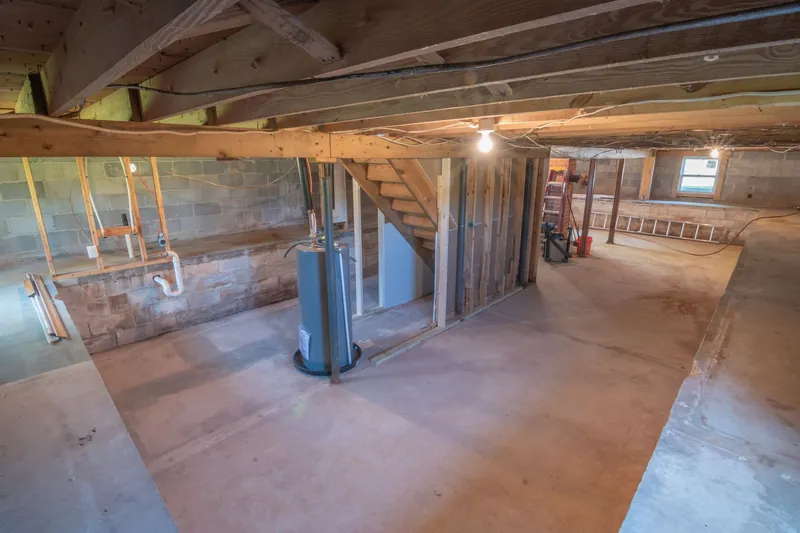
Cleanup after sewage backs up covers lower levels, basement areas and floor drains.
See sewer backup cleanup
Cleanup removes infectious material, including blood and body fluids, and disinfects the property.
See biohazard cleanup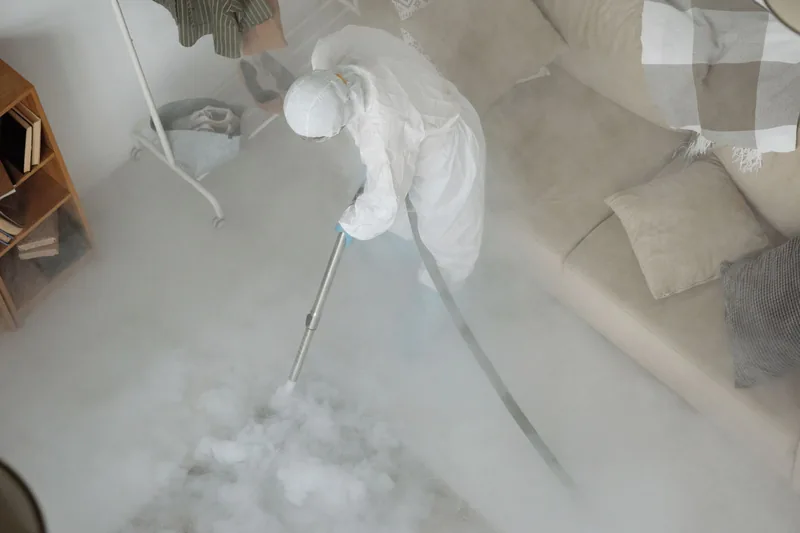
Full decontamination of rooms, surfaces and air after infectious or hazardous exposure.
See biohazard decontamination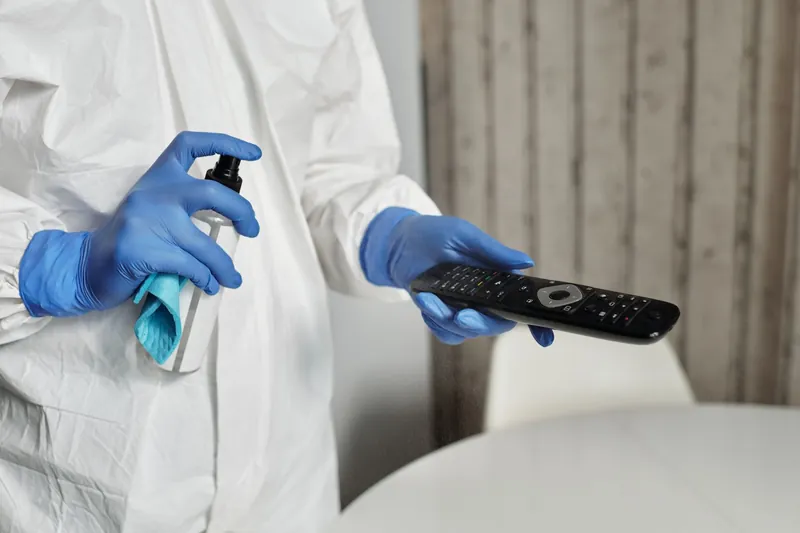
Biological remediation removes contamination so the space can be safely used again.
See biohazard remediation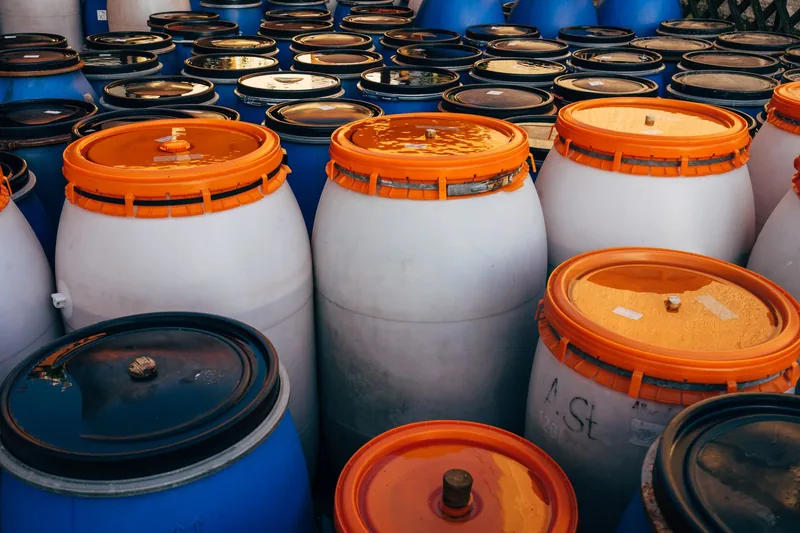
Hazmat cleanup of hazardous materials with the right protective equipment.
See hazmat cleanup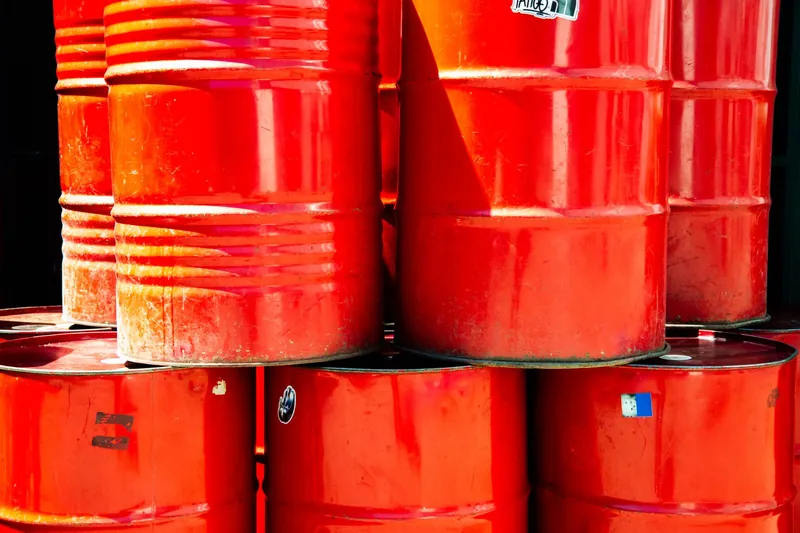
Sealed containers with labels hold biohazard waste during collection and disposal.
See biohazard waste disposal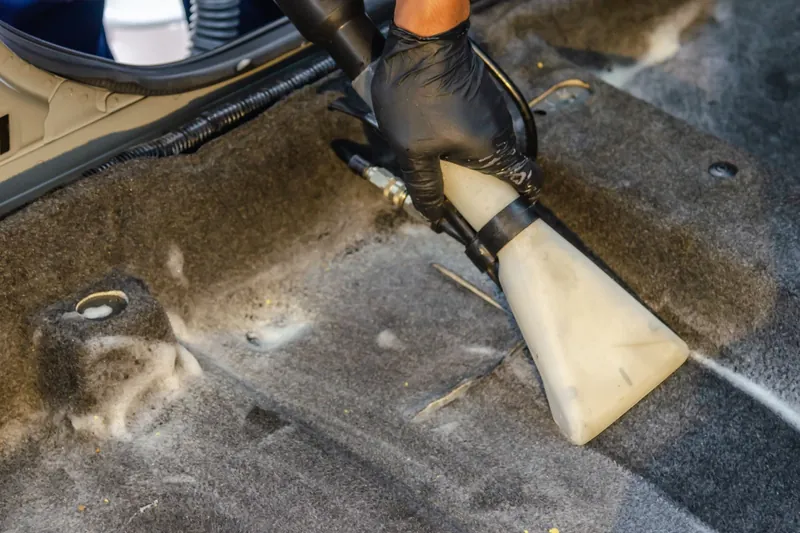
Cleanup treats biohazards on upholstery and carpeting, or removes affected materials safely when needed.
See biohazard carpet and upholstery cleaningRemoval is normally required when insulation takes in wastewater because the material cannot be dependably cleaned through its full depth. Contaminated textiles, cardboard and compromised duct lining raise the same cleaning problem. Solid framing, masonry or exposed piping may stay after all residue is taken off and the cleanable surface is properly disinfected and dried.
The approach depends on how far liquid and solid waste spread. Workers initially extract the collected liquid, then clear away debris. They then address visibly affected loose soil and clean nearby supports and utilities. Sewage below loose material or gathered in low points requires more than surface spraying.
A limited affected area with straightforward access can require one to two days. Work can continue for several days with extensive sewage, limited height, saturated insulation, ground removal and prolonged drying. Electrical, structural and plumbing fixes fall outside the cleanup. Rather than relying on a fixed timeframe, use final checks and moisture readings to judge completion.
Coverage is possible, although your policy terms and the cause determine the answer. An endorsement is often necessary for sewer or drain backup protection. Exclusions can apply to maintenance issues, rising groundwater and flood losses. Let the insurer know about the loss, verify the deductible, and preserve receipts, photos, plumbing findings, the cleanup scope and moisture notes.
Lingering smells may indicate damp conditions below the home or contamination still present in soil, insulation, debris or duct material. Odor treatment works only after the source is gone. The area should be checked again for hidden waste, moisture, air leaks and pathways that carry crawl space air indoors.
Ask whether the cleaning service works in confined crawl spaces, removes wet insulation and addresses contaminated soil. Confirm that extraction, physical cleaning and drying are included, along with disposal records and use of an EPA-registered disinfectant. During your call, explain the clearance, affected area, plumbing repair status and where you notice odors indoors.
Respectful, discreet crawl space sewage cleanup is available 24 hours a day, and crews arrive in unmarked vehicles.